Working Group 6
Bio-economy within the Earth System
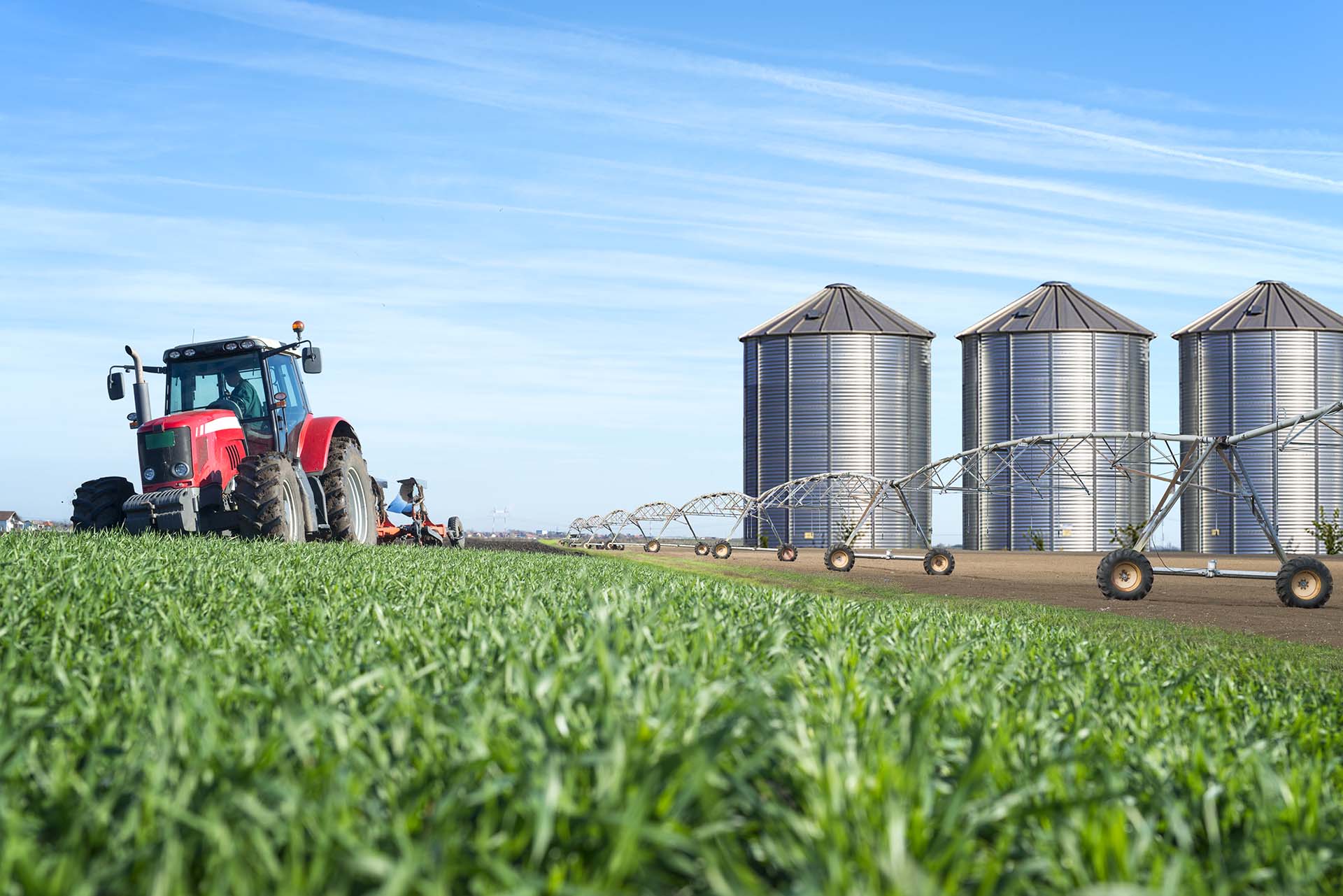
Anthropogenic climate change, critical losses in biodiversity and excessive nitrogen and phosphorus use all present severe challenges for the Earth System’s continued ability to provide the conditions needed for human well-being (Steffen et al., 2015). In such an earth system context, bioeconomy strategies emerge as a reasonable and required reconfiguration of the economy, forming part of both the European Union’s and Germany’s approach to tackle climate change mitigation and resource depletion. Bioeconomy strategies promote the shift from the use of non-renewable energy and material resources towards renewable resource production, and conversion to high-value energy, fiber, material, food and feed products enabled by advanced biological knowledge and innovation. Beyond the technological transition, strengthening sustainable value chains and engaging private-sector actors are essential to ensure that bioeconomy innovations generate broad societal and environmental benefits. At the same time, the world continues to face persistent challenges related to poverty, hunger and malnutrition, inequality, governance, and security, with large regional disparities. Global food affordability and access to food, in addition to food production, represent the largest challenge to universal food and nutrition security (World Health Organization, 2020). Global model-based assessments have suggested that ambitious climate change mitigation scenarios may produce more negative outcomes for food insecurity than climate change itself in now poor world regions, if no adequate complementary policy measures are implemented (Hasegawa et al., 2018). Another recent global assessment found that progress towards a near full range of UN’s Sustainable Development Goals (SDGs) is possible with a coherent combination of policy interventions to simultaneously address mitigation, progressive sharing of the carbon sequestration incomes between world regions, together with altered energy and diet consumption patterns (Soergel et al., 2021). Such evidence is not meant to imply that bioeconomy strategies’ come at the cost of our global commitments to address food and nutrition security or poverty alleviation. Rather they call for integrated cross-system and cross-scale analyses of how bioeconomy strategies and interventions contribute to the SDGs and how to design systems to maximize synergies and minimize tradeoffs (Rockström et al., 2020).
In this context, our overarching aim here is to contribute to developing frameworks to assess bioeconomy contributions within the full SDG space and exploring what the safe and just operating spaces for a sustainable bioeconomy are. Addressing these challenges necessitates both interdisciplinary and transdisciplinary research approaches, using integrated modelling to quantify trade-offs and synergies between sustainability indicators and linkages across economic sectors and regions in a global context. Particular attention will be given to bioeconomy value chains, linking production systems with markets and business actors committed to sustainability. Cross-scale research is needed to capture global drivers and trade spillover effects, coupled with national policies and local innovation dynamics. Engaging private sectors and other stakeholders in co-designing transition pathways will help ensure that innovations along value chains contribute both to ecological resilience and social inclusion. Understanding distributional societal and cultural effects will be relevant at all scales: between world regions, between sectors within a country and different groups of land users or consumers at more localized scales. Critically, new approaches and concepts are needed to bridge transdisciplinary research with state of the art integrated modelling and advanced science-based monitoring to support innovation and co-creation with stakeholders.
Contact
- Dr. Maren Dubbert
- Dr. Cheng Chen