
Working Group 5
Biodiversity and Societies within the Earth System
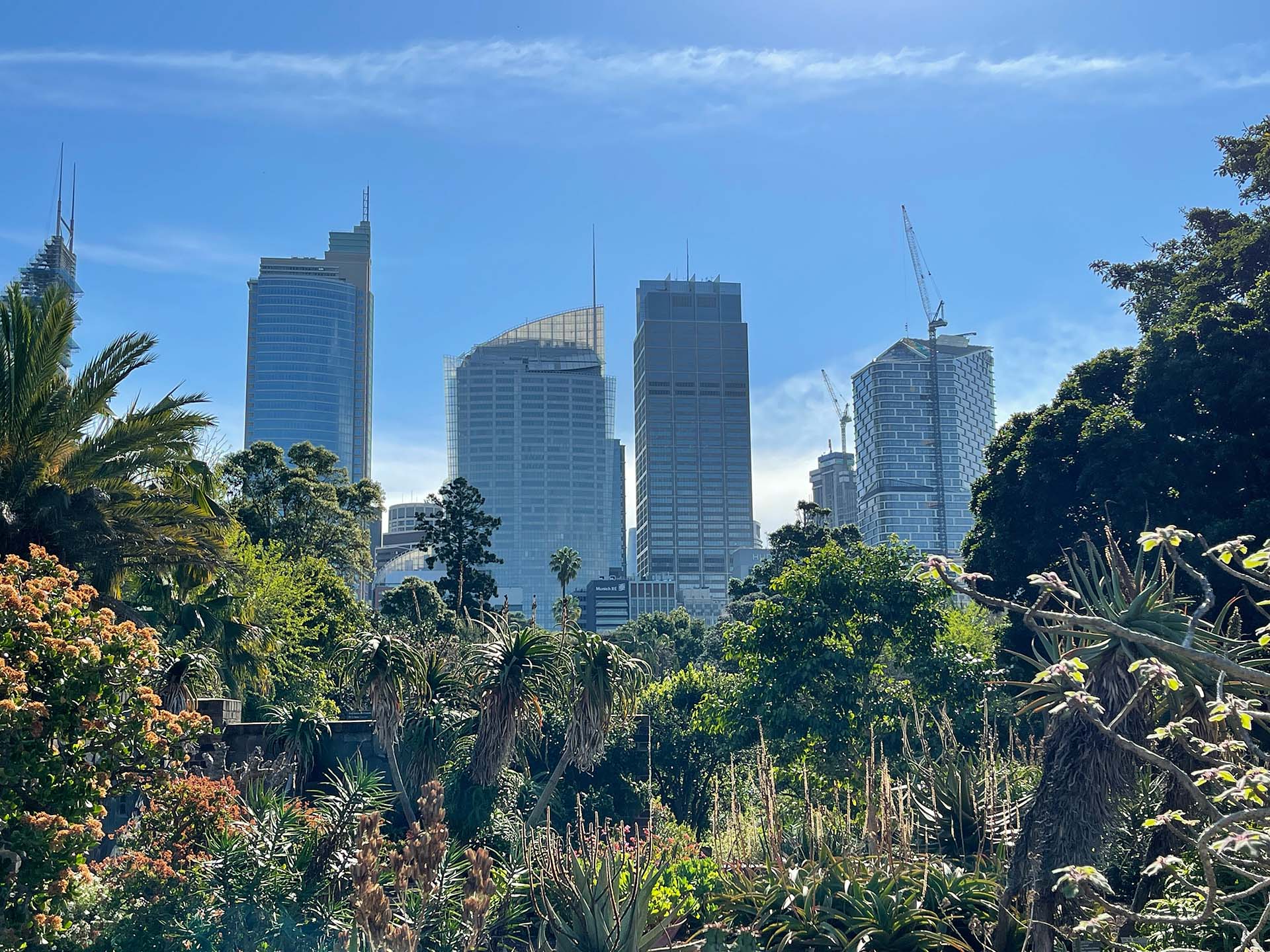
Biodiversity research captures the diversity of Earth's organisms at various levels of complexity: Organisms can be captured at the species level, focusing, for example, on their diversity (species diversity), distribution (biogeography), and function in ecosystems (ecology). Furthermore, biodiversity can be described at the intraspecific level, focusing on aspects such as phenotypic and genetic diversity. Biodiversity research contributes to the description of the biosphere as part of the Earth system, which interacts with the global physical, biogeochemical, and geological processes of the other Earth system dimensions (atmosphere, cryosphere, hydrosphere, lithosphere).
The aims of Working Group 5 on Biodiversity in the InTRES platform for Integrative and Transformative Research on Earth and Societies can be described as follows: (i) Based on a fundamental understanding of how biodiversity emerges and changes under the complex processes of the Earth system, one needs to identify societal processes that have the potential to alter these complex interactions (holistic approaches from natural and social sciences); (ii) From an understanding of societal influences on the emergence and change of biodiversity, one needs to derive consistent ecological, social, and economic goals that maintain biodiversity at a level that guarantees Earth system equilibrium (research-based rationale); (iii) One needs to derive capacities and levers for societal transformations from societal objectives (transformative approaches for the Anthropocene).
The WG identifies focus topics at local, regional, or global spatial scales. They will be subject to a systematic analysis based on the above-mentioned aims, addressing the following key questions, (i) Which causal relationships within the Earth system shape biodiversity patterns? (ii) Which societal processes have a transformative influence on these causal relationships and, consequently, on biodiversity patterns? (iii) Which societal goals guarantee the preservation of biodiversity patterns in order to keep the Earth system in equilibrium? (iv) Which societal transformation processes are associated with achieving these goals?
Contact
- Dr. Heiko Stuckas